

The Solar Scale Paradox: Why Big Brands Cost You $20,000 Extra (And How to Reclaim It)

When you shop at a big-box retailer, you expect a volume discount. In almost every other industry, scaling up reduces costs. But in the residential solar market, an uncomfortable truth has emerged from the data: The bigger the company, the more you pay.
At ShopSolar, we teamed up with AgentSolar to analyze over 600 installers and tens of thousands of quotes. The results are a wake-up call. There is essentially a "Scale Penalty" that is effectively taxing homeowners for corporate bloat and sales commissions.
1. The "Expansion Tax": Why National Giants Are Falling Behind
The data reveals a clear price gap between local expertise and national corporate reach.
-
Local Legends (Single-State Installers): Average $3.39/W
-
Multi-State Giants: Average $3.69/W
On a standard 10kW system, that’s a $2,900 "Expansion Tax" just for choosing a company with a larger map. Our analysis shows that as companies scale from hundreds of installs to thousands, their pricing trends steadily upward, not downward.
2. The DIY Discount vs. The "Peace of Mind" Premium
To understand the true value of your investment, you have to see the full spectrum of the market. Here is how the numbers stack up for a standard 10kW system:
| Category | Average PPW | Estimated Total Cost (10kW) | What you’re actually paying for |
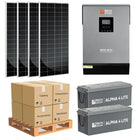
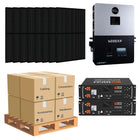
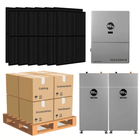
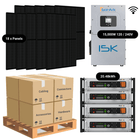
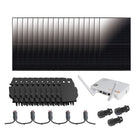
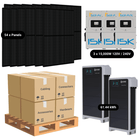
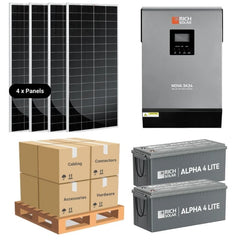
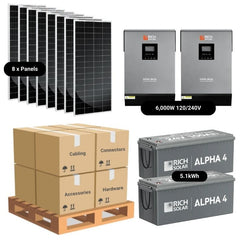
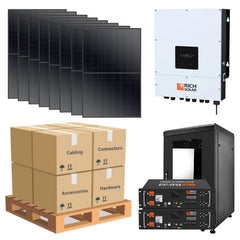
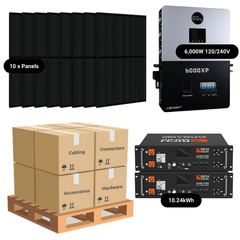
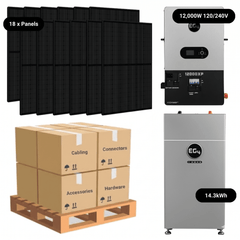
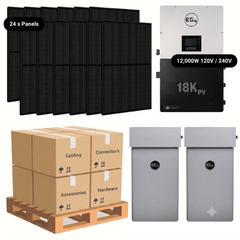
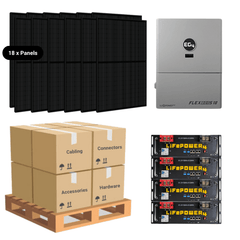
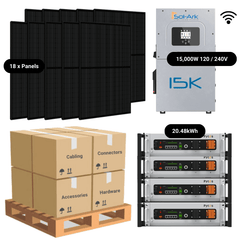
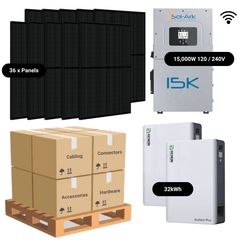
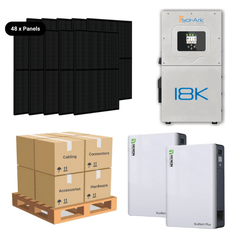
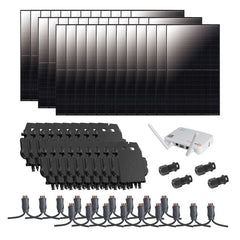
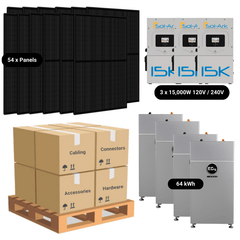
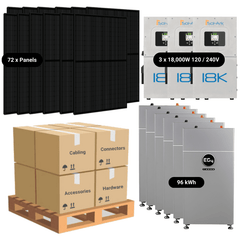
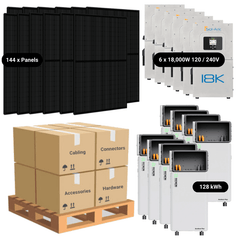
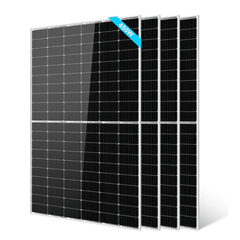
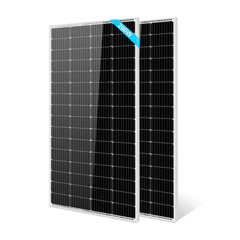
| ShopSolar DIY Kit | $1.10 – $1.40 | $11,000 – $14,000 | Hardware + Warranty & Permits + Lifetime Support. You provide the labor. |
| "Goldilocks" Pros | $2.70 – $3.00 | $27,000 – $30,000 | Pro-install + Full labor + Warranty. |
| Local Legends | $3.40 | $34,000 | Local expertise and hands-on permitting. |
| National Giants | $3.69 | $36,900 | Brand recognition, massive ads, and overhead. |
3. The "Hidden" Costs of Professional Installers
If national companies are buying panels by the megawatt, why aren't you seeing the savings? Because you aren't just paying for solar hardware. According to AgentSolar data trends, your check to a national company is being carved up into "hidden" corporate costs:
-
Sales Commissions ($2,000 – $5,000): Paid to the person who knocked on your door or the site that sold your phone number as a "lead."
-
Marketing ($4,000+): To keep those "Free Solar" ads running in your social media feeds.
-
Corporate Overhead ($6,000+): To maintain multi-state fleets, regional offices, and executive salaries.
4. Why DIY Is the Ultimate Market Disruption
The data shows that a DIY kit can effectively cut your costs by 50% to 60% compared to even the most efficient professional installers. There are three ways to win with DIY:
-
The True DIYer: A DIY kit costs roughly $20,000 less than a pro install. If the job takes 40 hours, you’re essentially paying yourself $500 an hour, tax-free. This slashes your break-even point from a decade down to just 4–6 years.
-
The Hybrid GC: If you aren't a fan of heights, act as your own General Contractor. Buy the hardware at wholesale rates with a complete kit, then hire a local electrician for the install. You still bypass the $10,000+ sales markups found in the data.
-
Hardware Independence: Most installers push specific brands based on their own partnership agreements or comfort levels. Buying a kit gives you total freedom. You can pair the best tech—like Sol-Ark inverters with EG4 batteries—rather than whatever hardware the company is interested in selling.
5. Finding the "Goldilocks" Zone
If you aren't ready to climb your own roof, look for the "Sweet Spot." We identified a group of installers who have over 500 quotes (proven reliability) but still maintain prices under $3.00/W.
Companies like Tesla Energy, Citadel Roofing & Solar, and Solar Negotiators are the rare outliers. They’ve figured out how to scale without passing massive overhead costs to the consumer. If you must go pro, find a "Goldilocks" installer.
Final Verdict: Don't Subsidize the Corporate Ladder
The data from AgentSolar confirms a vital lesson for every homeowner: a bigger company name doesn't guarantee a better system or a cheaper price. While a DIY kit will always represent the absolute floor of solar pricing and provide the fastest possible ROI, it isn't the only path to a great deal.
If you aren't ready to get on the roof yourself, don't default to the national giants. The market "sweet spot" is almost always found with local professional installers. These regional experts offer the perfect balance of professional accountability and fair pricing, allowing you to get a high-quality install without subsidizing a national marketing machine.
Whether you choose the unmatched savings of DIY or the localized value of a regional pro, the goal is the same: stop paying for a corporate ladder and start investing in your own energy independence.