





Summer Electricity Costs Are at Record Highs — Here's What's Driving Your Bill Up

TL;DR: Electricity rates are up 17% since 2022 and summer bills are averaging $178/month — and that's the national average, not the high-cost states. Here's the thing nobody's saying loudly enough: summer is when solar panels produce the most power, so the worst months for your bill are actually the best months for your system. We get into all of it below.
A customer called us recently after opening his electricity bill. "I swear I used the same amount of power as last year," he said. "Why is this thing $40 higher?"
He wasn't wrong to be confused. He probably did use about the same amount. The bill went up anyway.
That's kind of the story of electricity right now, and summer is when it hurts most. Once you understand what's actually driving that number, the case for solar stops feeling like a sales pitch and starts feeling like obvious math.
Why Are Summer Electric Bills So High in 2026?
Two things happening at once: you're using more power (AC, mostly), and you're paying more per unit of it than you were a couple years ago. Air conditioning alone eats up close to half a home's total electricity in peak summer. And since rates have climbed 17% since 2022, the bill at the end of the month reflects both. More usage, higher rate. It compounds.
Here's what happens every June in most households. The temperature climbs, the AC kicks on, and it basically doesn't turn off until September. And unlike leaving a light on, you can't really just... not run it. It's 95 degrees. You have kids. You have a dog. The AC runs.
Toss in the fact that school's out, so more people are home using more devices, and if you've got a pool — that pump runs for hours every day just to keep the water clean.
None of this is new. Summer has always been expensive. What's changed is the rate you're paying for every kilowatt of it.
Electricity Rates Have Jumped 17% in Four Years
The national average electricity rate is now hovering around 17-18 cents per kilowatt-hour, and the average American household is paying roughly $163 a month — closer to $178 during summer months, according to the EIA. That's a 17% jump since 2022, and it's outpaced inflation for three straight years.
In some states it's much worse. Arizona households are on track to spend over $1,000 on electricity this summer alone. Connecticut isn't far behind.
Why? A few things piling on at once:
- Natural gas generates about 40% of U.S. electricity, and its price is up significantly.
- AI data centers are consuming power at a scale nobody planned for — and that demand is still growing.
- An aging grid costs utilities billions to maintain and upgrade, and they pass every dollar of that directly to you.
There's no sign of this reversing. Analysts are consistent: rates are going up through the end of the decade, at minimum.
Why Solar Makes More Sense Than Ever Right Now
Here's the math that keeps getting stronger. When you install solar, you're locking in the cost of your electricity at a fixed rate — the day you install, that's it. The utility can raise rates next year, the year after, and the year after that. Your solar cost doesn't move.
Grid electricity has gone up 17% in four years. Solar panel prices have gone the other direction — down about 14% year over year according to Aurora Solar's 2026 data. The gap between what grid power costs and what generating your own costs keeps widening in your favor.
What that means practically: the savings start the day your system turns on, and they compound every year rates climb. Your utility rate is a variable trending one direction. Your solar cost is fixed.
What Can You Actually Do to Lower Your Summer Electric Bill?
Realistically, two levers: use less, or pay less per unit. That's it.
Using less is fine. Smart thermostats help. LED bulbs help. But you're not going to air-condition yourself to savings — there's a floor to how little electricity a household can use in July without being miserable.
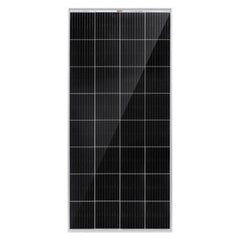
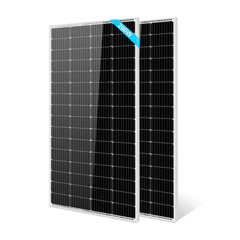
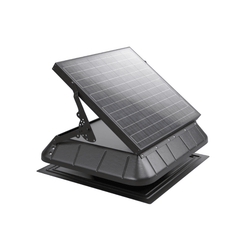
Paying less per unit is where solar comes in. When you put panels on your roof, you're generating your own electricity. What you generate, you don't buy from the utility. The cost of that generated power — factored over the system's lifetime — is typically lower than what the utility charges, and it doesn't go up every year. Your utility rate is a variable that's trended one direction for four straight years. Your solar cost is fixed the day you install.
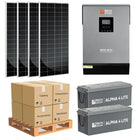
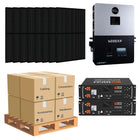
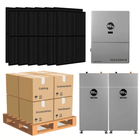
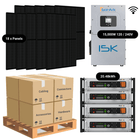
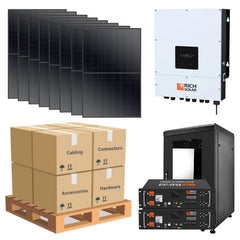
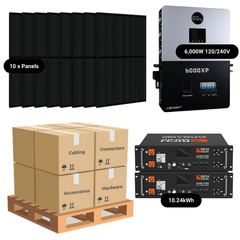
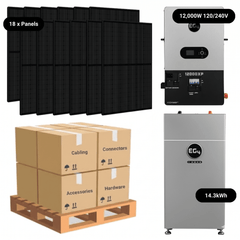
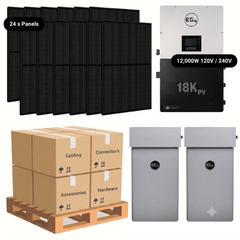
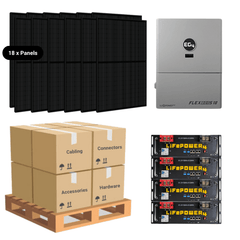
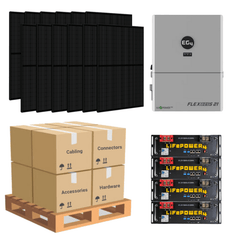
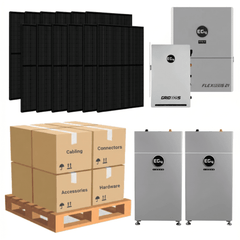
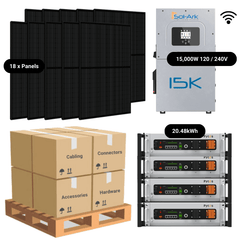
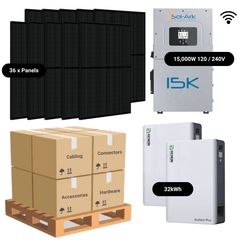
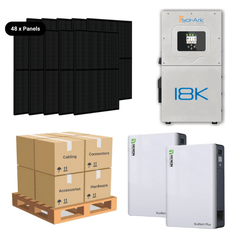
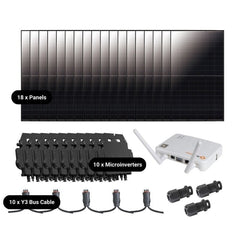
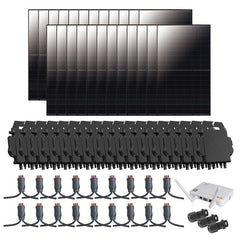
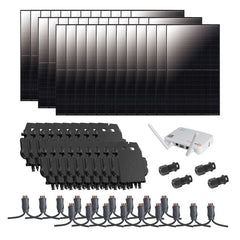
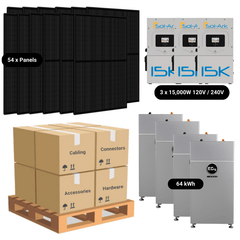
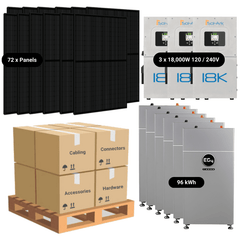
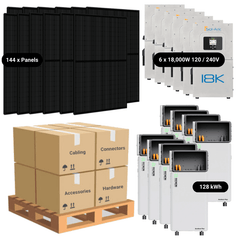
Not sure what size system your home needs? ShopSolar's Solar Kit Finder walks you through it in a few minutes, or you can request a free custom proposal and have someone size it for you.
Summer Is Actually the Best Time for Solar Production
Most people assume summer is a bad time to think about solar because they're distracted by the bills. Actually it's the opposite. June, July, August — that's when panels put out the most power. Longer days, stronger sun, the whole thing. The months that drain your bank account are the same months your system would be working hardest.
And if your panels produce more than you use during the day (which often happens), most states let you send that surplus to the grid in exchange for bill credits. Those credits roll over and offset what you pull from the grid at night. It's not a perfect one-to-one trade everywhere — net metering rules vary by state — but in most places, summer overproduction meaningfully cuts what you owe the rest of the year.
Pair the panels with a solar battery and you keep that surplus at home. Use it after dark, during peak-rate hours, or if the grid goes down in a storm. In summer, that last part matters more than people expect.
What the Savings Actually Look Like
The honest answer: it depends on your usage, your state, and your roof. But real-world numbers from homeowners who've gone solar put the average long-term savings around $61,000 over 25 years, with households in high-rate states saving considerably more.
Most systems break even somewhere between 6 and 10 years. After that, the electricity your panels produce costs you nothing. And because panels are typically warrantied for 25 years — and often last longer — you've got a long tail of essentially free power on the back end.
Want to run your own numbers first? ShopSolar's free DIY Solar Calculators let you estimate output, payback period, and monthly savings based on your actual usage.
One More Thing Worth Saying
Solar isn't magic, and anyone who tells you it'll eliminate your bill entirely without knowing your situation is overselling it. System size matters. Your roof matters. Your state's net metering policy matters.
But for most homeowners with a reasonably sunny roof and an above-average electricity bill, the numbers work — even without the federal tax credit. The U.S. Department of Energy has been making that case for years, and rising rates have only made it stronger.
If you're new to all this, ShopSolar's DIY Solar eBook is a solid place to start — it covers how panels work, how to size a system, and how to do it yourself without hiring anyone. And if you'd rather just talk it through, the free proposal process is zero commitment.
Summer bills are the most honest snapshot of what you're spending — and what you stand to save.
Frequently Asked Questions
Why is my electric bill so high in summer? The main driver is air conditioning. AC can account for nearly half of a home's total electricity use during peak summer months. Combine that with more time at home, more devices running, and pool equipment if you have it — and costs stack up fast. On top of usage, electricity rates themselves have risen 17% since 2022, so you're paying more per kilowatt-hour even if your consumption stays flat.
How much can solar reduce my summer electricity bill? Homeowners who go solar typically see 50-80% reductions in their electricity bills. In summer specifically, production is at its peak — meaning panels offset the most expensive months of the year first. Exact savings depend on system size, your state's net metering policy, and how much electricity your household uses.
How quickly does solar pay for itself? Most systems break even somewhere between 6 and 10 years, depending on your usage, your state's net metering policy, and local electricity rates. After that, the power your panels produce costs you nothing — and panels are typically warrantied for 25 years. The higher your current electricity bill, the faster the payback. Use ShopSolar's Solar Calculators to run the numbers for your specific situation.
What time of year do solar panels produce the most electricity? Summer. Longer days and stronger sunlight mean peak production from June through August — which is exactly when grid electricity demand (and cost) is also highest. It's one of the reasons summer is a particularly good time to think about going solar.
What's the difference between a solar kit and a full-service install? A solar kit is a DIY solution — you purchase the components and handle installation yourself (or hire a local electrician), saving significantly on labor costs. A full-service install means ShopSolar handles everything from system design to installation. Both options are available through ShopSolar; the Solar Kit Finder can help you figure out which path makes more sense for your situation.
Data referenced from the U.S. Energy Information Administration, EnergySage, Electric Choice, and NEADA's Summer 2026 Energy Cost Projections.
This article is for informational purposes only and does not constitute financial or tax advice. Solar savings vary based on location, system size, energy usage, and local utility policies. Consult a qualified solar professional for advice specific to your situation.