








How Long Do Solar Batteries Last? The Honest Answer for Homeowners

TL;DR: Modern lithium batteries are genuinely impressive — 10 to 15 years of reliable service, improving every product cycle, and getting cheaper year over year. The question isn't really whether they last. It's how to get the most out of yours. Heat, cycling habits, and installation quality are what separate a 10-year battery from a 15-year one.
Solar battery technology has come a long way in a short time. Ten years ago, residential storage was expensive, limited, and niche. Today it's one of the fastest-growing parts of the home energy market — and for good reason. Modern lithium batteries are reliable, low-maintenance, and built to run quietly in the background for over a decade while your solar system does its thing.
So how long do they actually last? And what can you do to make sure yours runs as long as possible?
Here's the full picture.
How Long Do Solar Batteries Last?
Lithium batteries — which is what almost every home solar setup uses today — typically run 10 to 15 years, with most still holding 70 to 80% of their original capacity at the end of that window. That's a long time to cut your electricity bills, keep the lights on during outages, and run on your own power instead of the grid's.
Lead-acid batteries are a different story. They tap out around 3 to 5 years, which is why they've mostly been pushed out of serious home solar installs. If you're going lithium — and you probably are — you're starting with the better technology.
A battery in a cool garage used mainly for backup ages differently than one running daily in a Phoenix summer. Same chemistry, same brand, different story by year eight. The range reflects that real variation — and understanding what drives it is how you make sure yours lands at the top end.
What Actually Determines How Long Your Battery Lasts
The brand matters less than you'd think. What actually moves the needle:
Cycling frequency is the obvious one. According to NREL, a battery running daily for bill savings might hit 300 to 365 full cycles per year. A cabin battery used on weekends? Maybe 50. The math compounds over a decade — fewer cycles, slower aging.
Depth of discharge — how far you drain it before recharging — matters too, though most people never think about it. Push lithium cells past 80% DoD regularly and they wear faster. Not immediately. Gradually. Most systems won't let you go there anyway, but if yours has adjustable reserve settings, leave a buffer.
Heat is the sneaky one. Most homeowners assume the battery just sits there doing its job regardless of temperature. What they don't realize is that an uncooled garage in Texas runs hot enough in July that the battery is aging faster than the specs suggest. Aurora Solar's 2026 research puts the threshold at 95°F sustained — above that, degradation accelerates noticeably. It's not dramatic in year one. By year seven it shows.
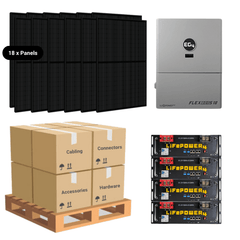
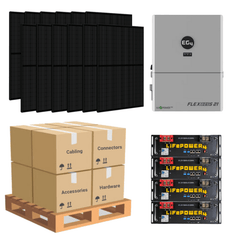
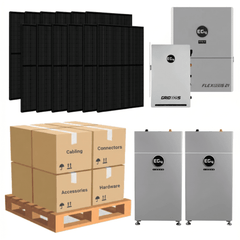
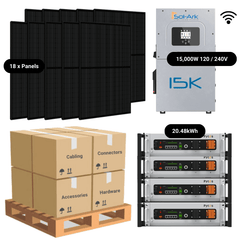
Then installation. A mismatched inverter or wiring that's slightly off doesn't break anything immediately — it just runs the battery a little outside its ideal parameters, every day, for years. It's why buying a complete kit matters more than people think.
What the Warranty Actually Tells You
Short answer: it's a capacity guarantee, not a "works perfectly" guarantee. A 10-year warranty means the manufacturer is promising the battery still holds at least 70% of what it held when new by year 10. Most are written as "10 years or 4,000 cycles" — whichever lands first. Cycling daily gets you to 4,000 cycles around year 11. Use it less and the calendar runs out before the cycles do.
Well-maintained systems usually do better than the warranty floor. And the warranty expiring doesn't mean the battery stops working — it just means the manufacturer's guarantee has run its course. Year 11 on a 10-year battery is still a win.
Solar Batteries Just Keep Getting Better
Here's the part worth getting excited about. The lithium battery you install today is dramatically better than what was available five years ago — higher energy density, smarter battery management systems, longer cycle ratings, and lower cost per kilowatt-hour. And that trend isn't slowing down.
Aurora Solar's 2026 Snapshot found that the median price homeowners paid for solar dropped 14% year over year, from $4.01 per watt in 2024 to $3.44 per watt in 2025. Battery storage has followed a similar curve. What a system costs today is less than it cost two years ago — and less than it will cost two years from now is almost certainly more than what you'd pay for a replacement unit down the road.
Solar panels are also warrantied for 25 years and routinely last 30 to 40 years in real-world use. Your battery runs alongside them for a solid decade-plus, and if you ever do upgrade to a newer model, you'll be stepping into technology that's improved significantly. It's a good position to be in.
If you're still deciding whether to add storage, our free proposal process can walk you through what makes sense for your home — size, type, cost — before you commit to anything.
Simple Things That Get You More Years Out of Your Battery
None of this is complicated. A few habits make a real difference.
Location is the biggest one. Get the battery out of direct heat if you can. A garage is fine — just make sure there's airflow. A shaded, ventilated space beats an uncooled wall in full sun every time. If you're in a hot climate, this one decision alone can meaningfully extend the battery's life.
Don't chase the last few percent of capacity. Draining to zero regularly isn't good for lithium cells. Most systems won't let you do it by default, but if yours has adjustable settings, keep a reserve — especially if backup power is why you bought the battery in the first place.
The software is genuinely on your side. Battery management systems monitor temperature, voltage, and charge state constantly. They're designed to protect the battery automatically. Let them do their job.
And check in occasionally — not obsessively, just occasionally. Most systems have a monitoring app. A quick look every month or two is enough to catch anything before it becomes a problem.
Want to see what storage options are available for your setup? Browse our solar battery collection to compare by capacity and use case. Our Solar Calculators can also help you size a system around your actual usage before you buy.
How to Tell If Your Battery Needs Replacing
The reassuring thing first: most lithium batteries give you years of reliable, largely invisible service. Degradation is slow and gradual — not a sudden failure. You'll have plenty of notice before anything needs attention.
When it does start to show, the signs are practical. Your backup used to run 8 hours and now it's cutting out at 5 — panels fine, usage unchanged. The battery fills faster than it used to and drains faster too. Or the battery management system starts logging errors that weren't there before.
Past 10 years and seeing any of this? It might be time to look at an upgrade — and as we said, you'll be stepping into better technology at a lower price than you paid the first time. Under 10 years with no symptoms, leave it alone and keep enjoying the savings.
The Bottom Line
A modern lithium solar battery is a genuinely solid long-term investment. Ten to fifteen years of lower bills, backup power when the grid goes down, and real energy independence — running on power you generated yourself. The technology keeps improving, costs keep falling, and the fundamentals of why storage makes sense only get stronger as grid electricity rates climb.
Take care of the basics — good location, sensible settings, quality installation — and your battery will take care of the rest.
Ready to add storage to your solar setup? Browse our solar battery collection to see what we carry, or get a free custom proposal and let our team help you find the right fit.
Frequently Asked Questions
How long do solar batteries last on average? The real-world range for lithium batteries is 10 to 15 years, per NREL research. Lead-acid is much shorter — 3 to 5 years — which is why lithium has taken over home solar. That 10 to 15 year window isn't random. It reflects genuine variation: how often the battery cycles, how hot it gets, and how well the system was installed. A battery in a cool garage only used for occasional backup ages very differently than one running daily in a hot climate.
What does a solar battery warranty actually cover? Mostly it's a capacity guarantee, not a "works perfectly" guarantee. By year 10, the manufacturer is promising the battery still holds at least 70% of what it held when new. The warranty also typically expires at a cycle count (often 4,000) if you hit that before the time limit does. What it doesn't cover: damage from improper installation, running the battery outside its recommended parameters, or normal capacity fade beyond that 70% floor.
Do solar batteries degrade over time? Yes, and gradually — it's just chemistry. According to ConsumerAffairs, most quality lithium batteries retain 70 to 80% of original capacity after a decade of regular use. You'll notice it as slightly shorter backup windows long before anything dramatic happens. It doesn't fall off a cliff.
What shortens a solar battery's lifespan the most? Heat, by a significant margin. Lithium batteries degrade noticeably faster above 95°F sustained — which is a real issue for systems installed in uncooled garages in hot states. After that it's deep discharging regularly beyond the recommended DoD, high daily cycling, and sloppy installation. The installation quality point gets underestimated. A mismatched inverter or poorly configured system quietly stresses the battery every single day.
Are solar batteries worth it in 2026? Yes — and the case keeps getting stronger. Grid electricity rates have risen 17% since 2022 and show no sign of reversing. Battery prices have been falling. Aurora Solar's 2026 data shows 65% of homeowners cite bill reduction as the top battery benefit, and 55% cite outage protection. Most people end up valuing both. A well-sized battery pays for itself through savings and gives you resilience that grid-only homes simply don't have.
Data referenced from the National Renewable Energy Laboratory (NREL), Aurora Solar 2026 Home Solar Snapshot, ConsumerAffairs Solar Battery Research, and Sunsave Battery Warranty Analysis 2026.
This article is for informational purposes only and does not constitute financial or installation advice. Battery lifespan varies based on chemistry, usage patterns, climate, and installation quality. Consult a qualified solar professional for advice specific to your system.