
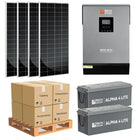
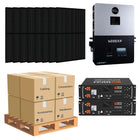
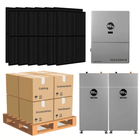
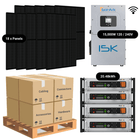

The VECTOR Kit: Why Going Solar Without a Battery Might Be the Smartest Move You Make

TL;DR: The VECTOR is ShopSolar's grid-tied solar kit with no battery — and that's intentional. For homeowners whose primary goal is maximum bill reduction at the lowest upfront cost, it's the right architecture. Microinverters mean every panel operates independently, which solves the shading problem that plagues most rooftops. Battery-ready foundation means you can add storage later. Here's who VECTOR is built for — and who should look elsewhere.
What the VECTOR Kit Actually Is
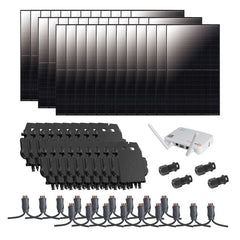
The VECTOR is a grid-tied solar kit built around microinverters — no battery included. It connects to your home's electrical system, starts producing solar power from day one, and sends excess production back to the grid for net metering credits. The goal is straightforward: maximize how much of your electricity bill the sun pays for.
The microinverter piece is what makes VECTOR different from a standard solar kit. Most systems use a central string inverter: all panels connect to one device that converts DC power to AC. The problem is panel interdependence. If a chimney shades one panel in the morning, it drags down the output of every panel in the string. It's the weakest-link problem.
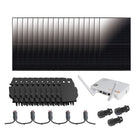
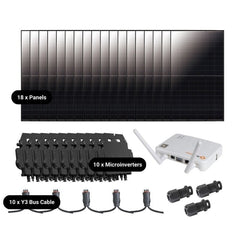
VECTOR uses individual microinverters on each panel — Enphase or APsystems units, both industry leaders in this technology. Each panel operates completely independently. If a tree shades one panel for two hours, the other 17 keep producing at full capacity. The shaded panel does what it can. Everyone else ignores it.
The result: more total energy production from the same roof, especially on homes that aren't perfectly oriented or deal with partial shading at any time of day.
Who the VECTOR Kit Is Actually For
The pure bill reducer. Some homeowners aren't thinking about energy independence or outage protection. They want to cut their electricity bill as much as possible, as efficiently as possible, and get the fastest return on investment. Without a battery bank, VECTOR kits are significantly less expensive upfront — which means the payback period on bill savings is shorter. If that's your primary goal, VECTOR is built for it.
The complex roof. Homes with multiple dormers, several roof planes, chimneys, skylights, or trees nearby are genuinely difficult for string inverter systems. Microinverters solve this almost completely. If one section of your roof faces east and another faces south, each panel optimizes independently regardless. If a chimney shades three panels from 8-10am, the other panels continue at full output. If your roof is complicated, VECTOR's per-panel optimization captures meaningfully more production than a conventional setup would.
The EV household. Running an electric vehicle means substantial daily electricity consumption that happens to coincide with solar production hours. You're producing solar power during the day, the car charges during the day, and the math works cleanly without needing battery storage for overnight charging. VECTOR is a strong fit for households that want to offset EV charging costs specifically.
The "start now, add storage later" buyer. VECTOR kits are what ShopSolar calls a "battery-ready foundation" — the architecture supports adding battery storage in the future. If you want to get solar installed now and revisit the battery question in 12-24 months — when your needs are clearer and battery prices have continued to fall — VECTOR lets you do that. You're not locked out of storage; you're just not paying for it today.
What VECTOR Won't Do
Worth being direct about this before you buy.
VECTOR does not provide backup power during a grid outage. It's a grid-tied system, and like all grid-tied systems, it shuts off automatically when the grid goes down. This is a code-required safety feature — not a flaw — but it means VECTOR is not a preparedness tool. Your lights will go out with the neighborhood's.
VECTOR can't run your home independently of the utility. All production goes to your home's loads and excess goes to the grid. You remain dependent on the utility at night and during cloudy periods.
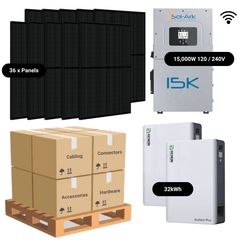
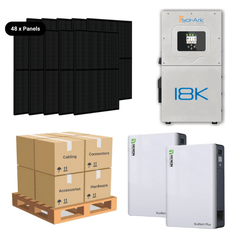
If backup power or energy independence is part of what you're after, VECTOR isn't the right kit. The PRIME line handles backup and off-grid capability — it's the conversation to have if that matters to you. And if you're not sure which way you lean, the Kit Finder asks the right questions to point you in the right direction.
The Three VECTOR Tiers
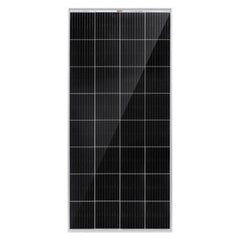
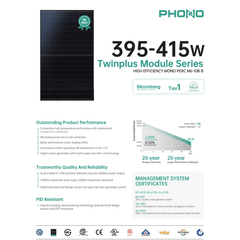
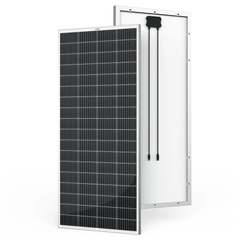
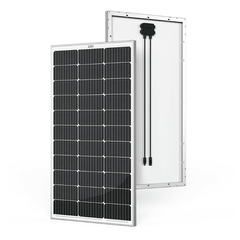
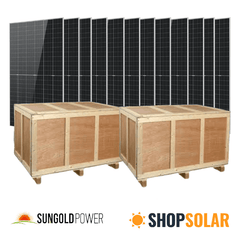
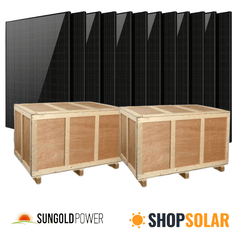
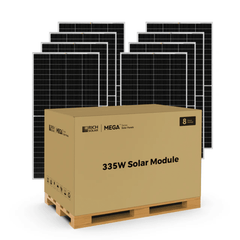
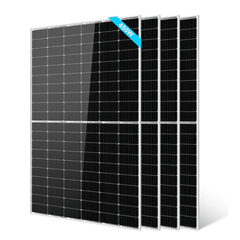
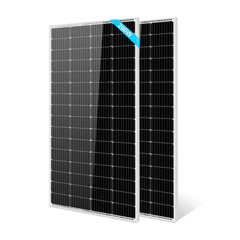
VECTOR Plus — 7.92kW solar array, 18 Tier-1 440W panels, Enphase or APsystems microinverters. Good starting point for homes with moderate consumption and reasonable roof space. Includes all required disconnects and safety components for code-compliant grid connection.
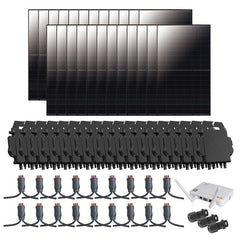
VECTOR Max — 10.56kW solar array, 24 panels. More capacity for higher consumption homes or those wanting a larger daily harvest for EV charging or higher bills. Engineered for maximum energy offset across larger household loads.
VECTOR Pro — 15.84kW solar array, 36 panels. Maximum production across the VECTOR line. For very high-consumption households, homes with multiple EVs, or those in states where generous net metering makes a larger array financially compelling.
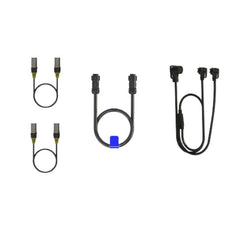
All three come with everything needed for installation including specialized microinverter cables, end caps, and all required safety components. Most ShopSolar customers handle the majority of the installation themselves — final grid connection is completed by a local licensed electrician.
The Honest Trade-Off
VECTOR is the right call if cutting your bill is the priority and grid resilience isn't part of the plan.
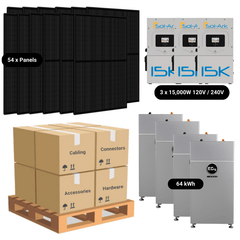
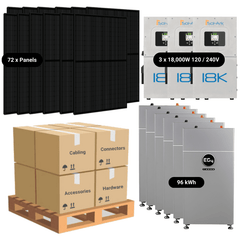
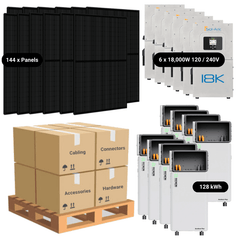
If you're uncertain — if you might want backup power someday, or if energy independence is part of your longer-term thinking — PRIME is the more flexible starting point. It covers everything VECTOR does plus off-grid capability, and you can choose how much you interact with the grid on a day-to-day basis.
But don't pay for capabilities you don't need. VECTOR is a genuinely excellent solar kit for the buyer it's designed for. The key is knowing whether that's you. If you're still figuring it out, the free proposal is a good place to talk it through — no obligation, no pressure.
Frequently Asked Questions
What is the VECTOR solar kit and who is it for? VECTOR is ShopSolar's grid-tied solar kit built around per-panel microinverters, with no battery storage included. It's designed for homeowners whose primary goal is maximum electricity bill reduction at the lowest upfront cost. It's also the right choice for homes with complex rooflines or partial shading, where microinverter technology outperforms standard string inverter setups. VECTOR is not designed for backup power or off-grid use — for those applications, the PRIME or ELITE lines are more appropriate.
Why would I choose solar without a battery? Without a battery, your upfront cost is significantly lower, which means faster payback from bill savings. For homeowners in strong net metering states who primarily want to offset their electricity costs — particularly EV charging or high baseline consumption — a battery-free grid-tied system like VECTOR often provides the best financial return. You can also add battery storage later; VECTOR is designed as a "battery-ready foundation."
What are microinverters and why do they matter? Microinverters are individual inverters mounted on each solar panel rather than a single central inverter for the whole array. Each panel operates independently, so shading on one panel doesn't affect the others. This matters on roofs with chimneys, multiple angles, nearby trees, or any obstruction that shades part of the array at different times of day. On complex rooftops, microinverter systems can produce meaningfully more energy than string inverter systems over the course of a year.
Can I add a battery to the VECTOR kit later? Yes. ShopSolar describes VECTOR as a "battery-ready foundation" — the architecture is designed to allow for future battery storage integration. If you decide in 12-24 months that you want backup power or energy storage, you can add it without replacing the whole system. Contact ShopSolar's team to discuss what addition makes sense for your specific VECTOR configuration.
Does the VECTOR kit work during a power outage? No. VECTOR is a grid-tied system and shuts off automatically when the utility grid goes down — a code-required safety feature to protect utility workers on the lines. If backup power is important to you, look at the PRIME or ELITE lines, which include battery storage and off-grid capable inverters that can power your home independently during an outage.
Specs current as of August 2026 — see individual product pages for the most up-to-date configurations. This article is for informational purposes only. System performance varies based on location, roof orientation, shading, and installation quality. Final grid interconnection should be completed by a licensed electrician