


EMP Protection for Your Solar System: What It Is and What's Actually Worth Doing

TL;DR: Your solar panels are fairly EMP-resistant — they're simple semiconductor devices. Your inverter, charge controller, and battery management system are not. A significant EMP could destroy the electronics that make your solar system work. Two layers of protection exist: hardwired EMP shields that shunt surges in under a nanosecond, and Faraday bags that isolate electronics completely. Here's what's worth doing and why.
There's a question that comes up regularly from people who've built serious off-grid setups or thought carefully about grid-down preparedness. They've got the food storage, water filtration, solar system. And then someone asks: "What happens to all of it if there's an EMP?"
It's a legitimate question with a specific answer. And the cost of protecting against it is modest compared to the cost of replacing what you've built.
What an EMP Actually Is
EMP stands for electromagnetic pulse — a burst of electromagnetic energy that induces damaging voltage surges in electrical conductors and circuits. Think of it as an invisible electrical surge that travels through wiring and can destroy sensitive electronics before any protection circuit can react — unless that protection is specifically designed to handle it.
Two main sources are documented:
Solar events. Coronal mass ejections from the sun release massive amounts of charged particles. When these interact with Earth's magnetic field strongly enough, they induce geomagnetic disturbances that affect electrical infrastructure. The 1989 Quebec blackout — which left 6 million people without power — was caused by a geomagnetic storm. The Carrington Event of 1859 was far larger. Scientists estimate a Carrington-scale event has roughly a 10-12% probability of occurring in any given decade. If it happened today, the damage to modern electrical infrastructure would be severe.
High-altitude nuclear detonation. Detonating a nuclear weapon at altitude creates a large-area EMP. The US government takes this seriously enough that President Trump signed an executive order on EMP preparedness in 2019, and Homeland Security has named it a significant infrastructure threat. The Department of Defense considers it a real strategic concern.
Whether you think either scenario is imminent or not, the practical question is the same: the cost of protection is modest relative to what you're protecting.
What's Actually Vulnerable in Your Solar System
Not all components face equal risk. Understanding what's vulnerable helps you prioritize.
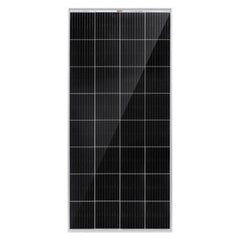
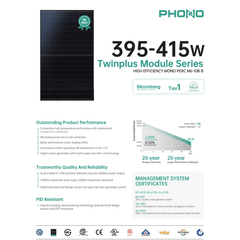
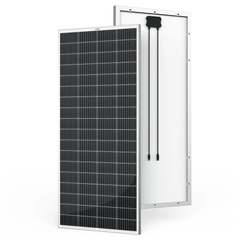
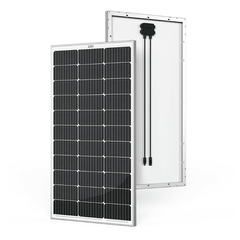
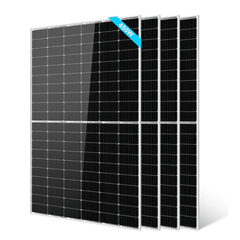
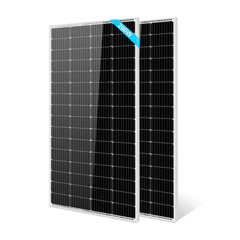
Solar panels: relatively resilient. Panels are simple semiconductor devices — cells that convert light to electricity, with very little complex electronics. They're considered fairly EMP-resistant. A significant event might degrade them, but they're not the primary concern.
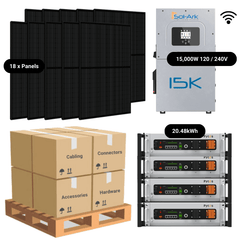
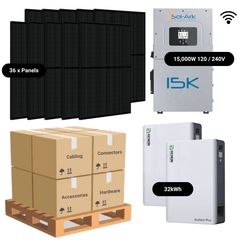
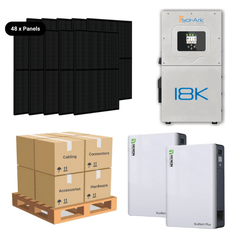
Inverter: most vulnerable. This is the brain of your system — sophisticated microprocessors, control circuits, and power electronics. A significant EMP could destroy an inverter. Replacement cost: $1,000–$5,000+ depending on the unit. ELITE kits with Sol-Ark inverters, for example, are expensive to replace if damaged.
Charge controller: vulnerable. The device managing power flow from panels to batteries is microprocessor-driven and sensitive to voltage surges.
Battery management system (BMS): vulnerable. The electronics that monitor and protect your battery bank are similarly at risk.
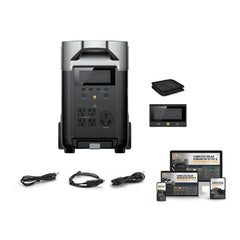
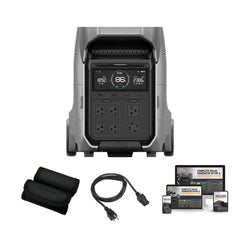
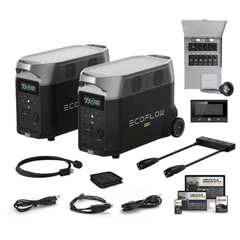
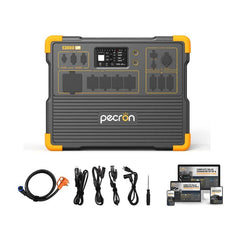
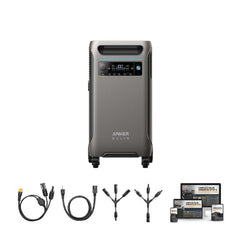
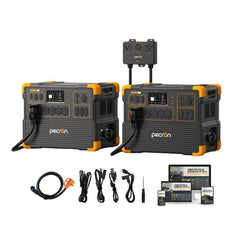
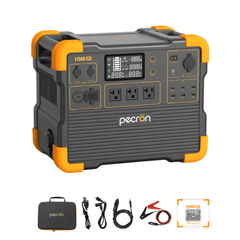
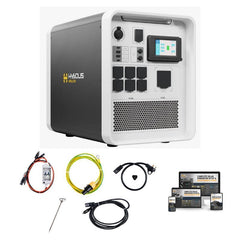
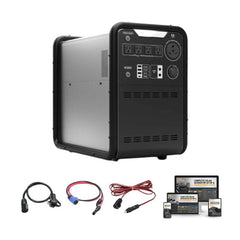
Solar generators: highly vulnerable. Portable units like EcoFlow, Bluetti, and Anker power stations are essentially sophisticated electronics in a box. They're among the most vulnerable components in any solar setup.
Two Layers of Protection
Two different technologies exist for EMP protection, and serious preparedness uses both.
Layer 1: Hardwired EMP Shields
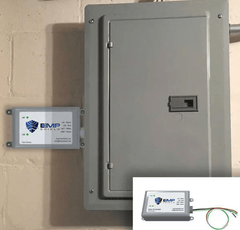
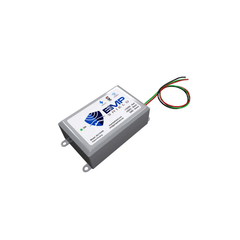
A hardwired EMP shield is installed in your home's electrical system and protects electronics connected to it. The EMP Shield for Home works by detecting voltage surges — from lightning, geomagnetic events, or electromagnetic pulse — and shunting them away from connected electronics in less than one billionth of a second.
This has been tested at the Keystone compliance facility, a federally approved testing center used for advanced technology testing. The same technology also protects against lightning, which is a far more common and documented threat — causing billions of dollars in electronics damage annually.
Important limitation: hardwired protection only covers electronics that are connected to your system. Equipment that's powered down and disconnected isn't protected by a hardwired shield — which is where Faraday protection comes in.
ShopSolar also carries vehicle EMP shields — same technology, designed for a vehicle's DC electrical system. Modern vehicles are highly vulnerable to EMP due to their engine control modules and fuel injection electronics. A vehicle shield significantly improves resilience against geomagnetic disturbances and the lower-intensity events that are considerably more likely than worst-case scenarios.
Layer 2: Faraday Bags and Enclosures
A Faraday cage or bag is a shielded enclosure that blocks electromagnetic fields entirely. Electronics sealed inside are completely isolated from external events — no EMP can reach them regardless of what happens outside.
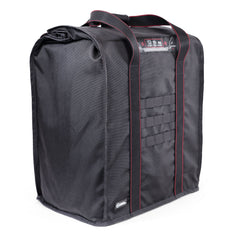
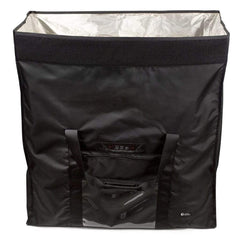
ShopSolar's Faraday bags are certified to MIL STD 188-125 — the military standard for electromagnetic shielding. The large generator-sized models fit most portable power stations including EcoFlow Delta units, Bluetti models, and compact generators. Sealed inside, these units are fully protected from EMP events.
The Practical Approach That Makes Sense
The most defensible setup uses both layers together.
For your installed solar system: A hardwired EMP Shield for Home protects your inverter and connected electronics in real-time. This also gives you continuous lightning protection, which is worth having regardless of how you feel about EMP scenarios.
For critical spare components and portable units: Store them in Faraday bags. A spare charge controller, critical communication equipment, a portable solar generator — sealed in a certified Faraday bag, these components survive whatever the installed system doesn't. Even if a significant event damages your primary system, you have functioning backup equipment ready to deploy.
This is the layered approach: harden what's in use, protect backups in storage.
What This Doesn't Protect Against
Honest assessment: no protection is absolute. A truly massive EMP — the kind produced by a large high-altitude nuclear detonation — could potentially overwhelm even protected systems depending on proximity and intensity. Faraday bags provide stronger protection than hardwired shields for stored equipment, but no cage is perfectly impermeable.
What protection does address: lightning (very common), geomagnetic disturbances (documented and recurring), and lower-intensity EMP events. The cost-to-protection ratio for these scenarios is genuinely favorable.
The Bottom Line
Your solar panels are reasonably resilient. Your inverter and electronics are not. The cost of a hardwired EMP Shield for Home and a Faraday bag for your critical portables is a small fraction of what you've invested in a serious solar system. The downside of not having them, if the relevant scenario occurs, is rebuilding from scratch.
Browse ShopSolar's full EMP protection collection to see what's available — home shields, vehicle shields, and Faraday bags in multiple sizes. If you have questions about what makes sense for your specific setup, the support team can walk you through it.
Frequently Asked Questions
What is an EMP and what does it do to electronics? An EMP (electromagnetic pulse) is a burst of electromagnetic energy that induces damaging voltage surges in electrical conductors and circuits. Natural sources include solar flares and coronal mass ejections. Man-made sources include high-altitude nuclear detonations. Electronics with sensitive microprocessors and control circuits — inverters, charge controllers, portable power stations — are particularly vulnerable. The same principles apply to lightning-induced surges, which are a far more common cause of electronics damage.
Do solar panels survive an EMP? Solar panels are considered relatively EMP-resistant because they're simple semiconductor devices without complex electronics. The more vulnerable components in a solar system are the inverter, charge controller, battery management system, and any portable power stations or generators. These contain sophisticated electronics that can be damaged or destroyed by significant voltage surges.
What is a Faraday bag and does it actually work? A Faraday bag is a shielded enclosure that blocks electromagnetic fields, isolating electronics stored inside from external events including EMP. ShopSolar's Faraday bags are certified to MIL STD 188-125 — the military standard for electromagnetic shielding. Electronics properly sealed inside are effectively isolated from electromagnetic events outside. Browse the EMP shields and Faraday bags collection to see available sizes.
How does the EMP Shield for Home work? The EMP Shield for Home is wired into your home's electrical system and detects overvoltage surges — including those from lightning and electromagnetic events — shunting them away from connected electronics in less than one billionth of a second. It's been tested at the Keystone compliance facility, a federally approved testing center. It protects all electronics connected to your home's electrical system while it's installed.
Should I be worried about EMP for my solar system? The threat level depends on your perspective and risk tolerance. Geomagnetic disturbances from solar activity are documented, recurring events — the 1989 Quebec blackout is a real-world example. High-altitude nuclear EMP is a documented strategic concern taken seriously at the government policy level. The cost of an EMP Shield and Faraday bag storage for critical equipment is modest relative to the cost of a complete solar system. Whether that trade-off makes sense is a personal decision, but the protection itself is technically sound.
This article is for informational purposes only. EMP protection effectiveness depends on the type, source, and intensity of the electromagnetic event. No protection system is guaranteed against all possible scenarios. Consult a qualified professional for recommendations specific to your installation.