
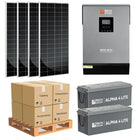
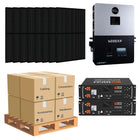
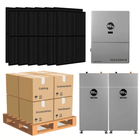
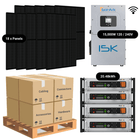

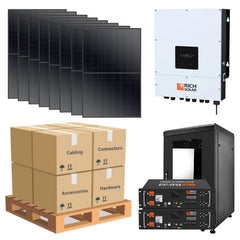
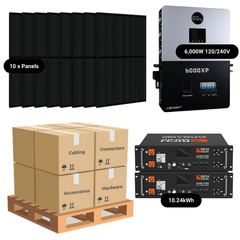
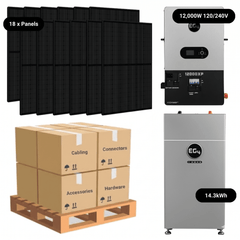
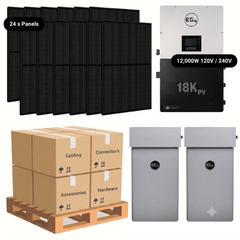
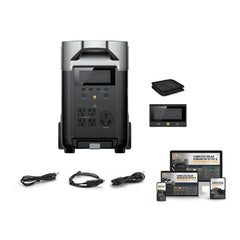
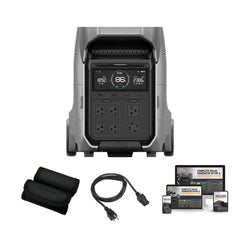
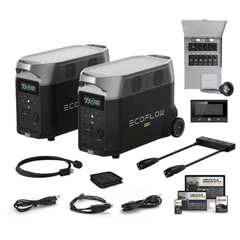
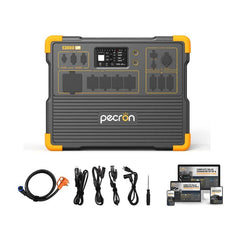
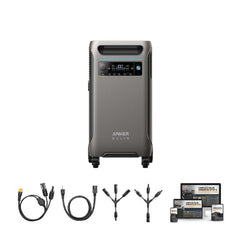
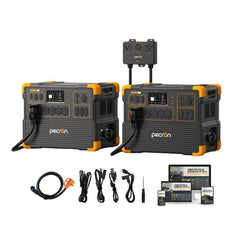
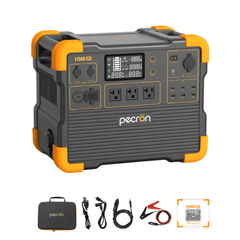
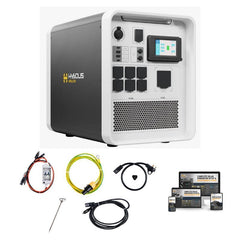
What Is an Energy Storage System?

If you have been looking into power or backup power lately you might have come across the term Energy Storage System.
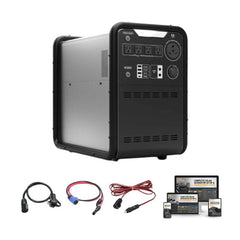
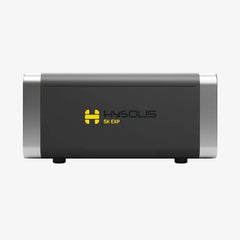
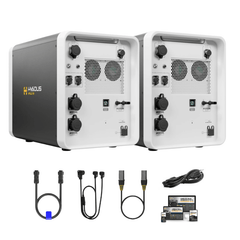
An Energy Storage System (ESS) stores electricity in batteries so your home can use that power when it is needed.
For homeowners, this is one of the easiest ways to add backup power, energy independence, and flexibility to their electrical system.
Let’s break down what an ESS actually is and how it works.
What Does an Energy Storage System Do?
An ESS stores electricity, then delivers that power to your home when needed.
- Power outages
- Nighttime when solar panels stop producing
- Periods when grid electricity is expensive
- Off-grid setups with no utility connection
Think of it as a battery bank for your home that stores energy and releases it when you need it.
The Main Parts of an Energy Storage System
Most Energy Storage Systems combine a key components that work together.
Batteries
The batteries store electricity.
Most modern systems use lithium iron phosphate batteries (LiFePO4) because they are known for their lifespan, high safety standards, and reliable performance.
Battery capacity is measured in kilowatt-hours (kWh). The larger the capacity, the longer your home can run on stored power.
Inverter
The inverter acts as the control center of the system.
Its job is to:
- Convert battery power into household electricity
- Manage power coming from solar panels or the grid
- Automatically switch to battery power during outages
Hybrid inverters can also handle solar, battery and grid power at the same time.
Monitoring & Controls
Most systems include monitoring software that lets you see:
- Battery charge level
- Power usage
- Solar production
- System performance
This gives homeowners real-time insight into how the system is operating.
Where Does the Power Come From?
While the batteries store electricity, they still need a power source to charge them.
Common charging sources include:
Solar Panels
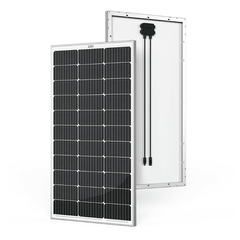
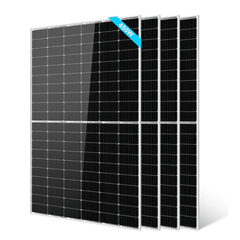
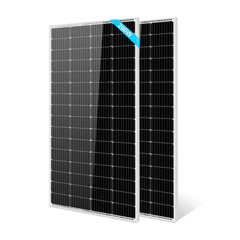
Solar panels produce electricity during the day. Any extra energy can be stored in batteries for use later.
This is one of the most common setups.
The Utility Grid
Some systems can charge batteries directly from the grid. This allows homeowners to:
- Store energy for outages
- Use stored power during peak utility rates
Generators
In off-grid systems, generators can charge the batteries when solar production is low.
Many off-grid homes combine solar panels and a backup generator for maximum reliability.
Grid-Tied vs Off-Grid Energy Storage System
These systems can work in different configurations.
Grid-Tied Energy Storage System
Grid-tied setups remain connected to the utility grid while providing battery backup during outages.
They can also store energy for later use.
Off-Grid Energy Storage System
Off-grid systems operate without any utility connection.
In these setups the batteries typically works alongside panels and sometimes a generator to provide continuous power.
Why More Homeowners Are Installing Energy Storage Systems
Energy Storage Systems are becoming more popular for several reasons.
Backup Power
These systems automatically power your home when the grid goes down, helping keep essentials running like:
- Refrigerators
- Lights
- Internet
- Well pumps
- Security systems
Energy Independence
When paired with solar panels, batteries allow homeowners to store their own electricity and rely less on the grid.
Expandable Storage
Many setups are modular, meaning you can start with a smaller battery system and expand it later as your energy needs grow.
Is an Energy Storage System Right for Your Home?
Energy Storage Systems can be a fit for people who want:
- Reliable backup power
- More control over their energy use
- Off-grid capability
- Solar systems with battery storage
The right system size depends on factors like:
- Home size
- Appliances you want to power
- Solar production
- Daily energy usage
Explore Energy Storage Systems
Energy Storage Systems are becoming an important part of modern solar and backup power setups.
If you’re interested in adding battery storage or backup power exploring Energy Storage Systems is a place to start.
Shop Solar offers a range of Energy Storage Systems designed for homes, cabins and, off-grid properties.