





TL;DR: The big transformers that feed the grid can take a long time to get. PwC analysts put lead times for the largest units at up to four years, per a May 2026 report, and prices are up roughly 80% over five years. Not everyone agrees how bad it is, and manufacturers are building new factories. For you, the practical point is that replacing damaged equipment is slow, so a major outage can run longer than anyone likes.
Everybody knows the transformer. Gray can on the pole, green box on the lawn. It steps voltage down so your house can use it, and when one blows in a storm, a crew swaps it out. Usually.
“Usually” is doing more work than it used to.
How Long Does a Big Transformer Take to Get?
Longer than you’d think. A May 2026 report in pv magazine USA quotes PwC analysts putting lead times for high-capacity units at as long as four years. An earlier Wood Mackenzie survey from Q2 2025, reported by POWER Magazine, had averages of 128 weeks for large power transformers and 144 weeks for generator step-up units. That’s roughly two and a half to nearly three years.
These are the big grid-level units, not the one outside your house. They still matter, because they sit between the power plants and the lines that feed your neighborhood. POWER notes that the smaller distribution transformers have gotten easier to find, though it doesn’t give a lead time for them.
Is It Really a Shortage?
Depends who you ask. Wood Mackenzie’s August 2025 analysis estimated a 30% shortfall in large power transformers and 10% in distribution transformers, per the POWER article. Demand has jumped too: Wood Mackenzie says it grew 274% for generator step-up transformers and 116% for substation transformers between 2019 and 2025, per pv magazine.
But one electrical supplier quoted by POWER disputes there’s a shortage at all. He says a standard substation unit can be delivered in 12 to 14 months once the engineering drawings are approved. The piece frames it as a debate: part supply, part how utilities order.
Fair read? Lead times are long, people disagree on why, and nobody expects a quick snap back.
What About Prices?
Up about 80% over five years, according to unnamed industry experts quoted by pv magazine. Wood Mackenzie’s numbers, via POWER, are 77% for large power transformers since 2019, 45% for generator step-up units, and as much as 95% for some distribution classes.
Utilities pay those costs, and rates are how they get paid back. We break that down in our electricity rates post.
Here’s the Good News
Manufacturers are building. Hitachi Energy announced more than $1 billion in investment, with its South Boston plant due online in 2028, and Siemens committed $421 million for a transformer factory in Charlotte, North Carolina, per pv magazine. New capacity takes years to matter, but the response is real.
What Does It Mean for Outages?
Most outages don’t involve a giant transformer. It’s a tree on a line or a failed pole-top unit, and utilities keep spares for those.
The worry is a bad event, a hurricane or ice storm that damages lots of equipment at once. After Winter Storm Fern, Entergy Louisiana alone reported 170 damaged transformers, per Renewable Energy World. Spare inventory and mutual aid cover a lot, but not everything.
Then there’s age. A DOE report estimated about 55% of in-service distribution transformers are older than 33 years, a rough fleet-wide figure.
None of this predicts your next outage. It does say replacing damaged gear isn’t getting any faster.
What Can You Do?
You can’t speed up a utility’s supply chain. You can keep the power on at your place.
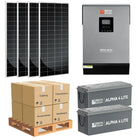
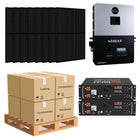
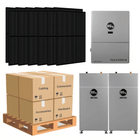
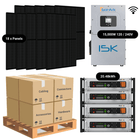
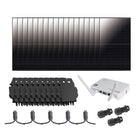
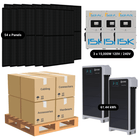
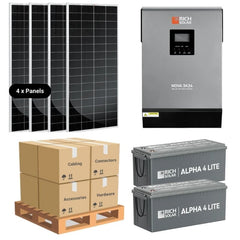
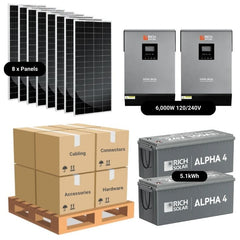
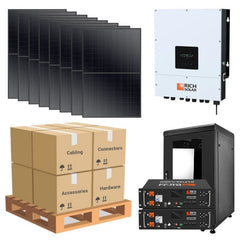
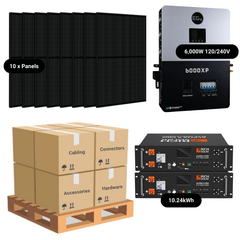
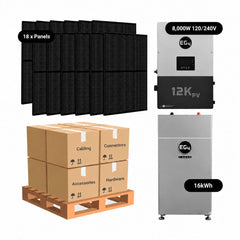
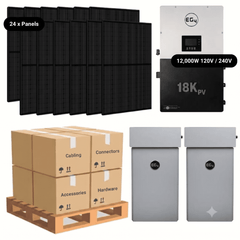
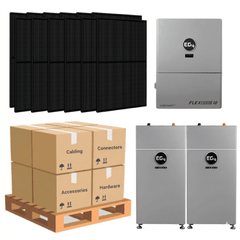
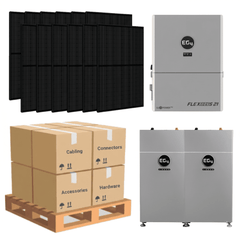
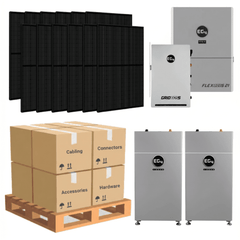
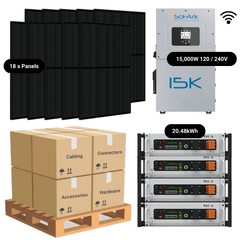
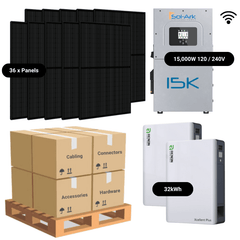
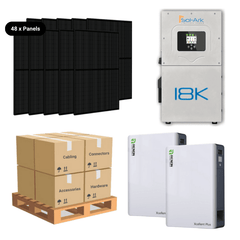
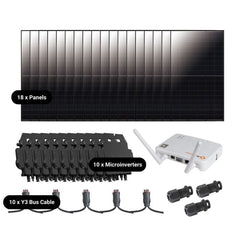
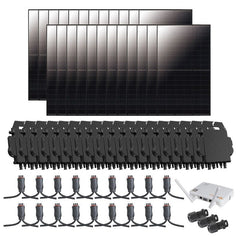
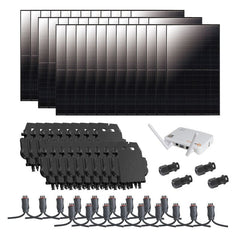
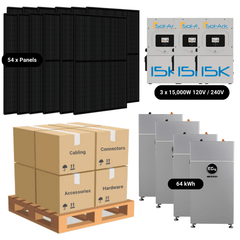
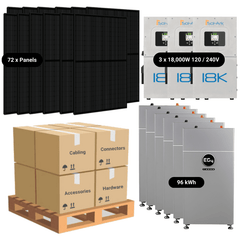
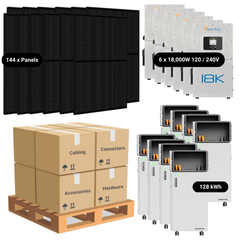
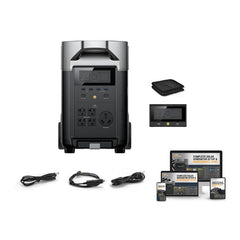
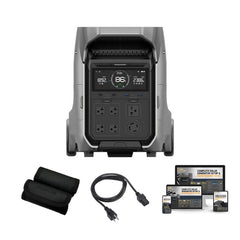
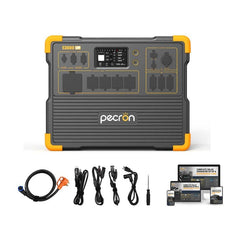
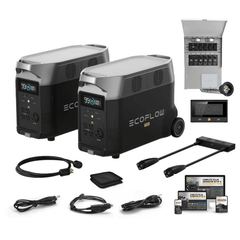
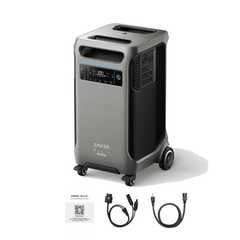
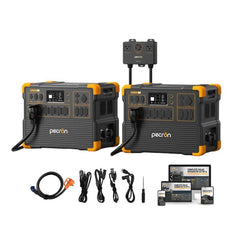
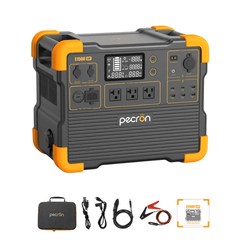
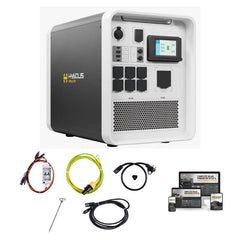
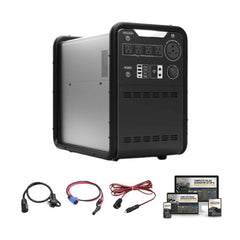
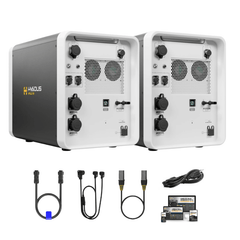
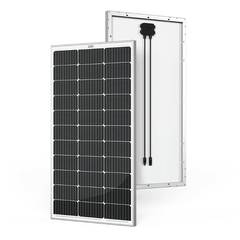
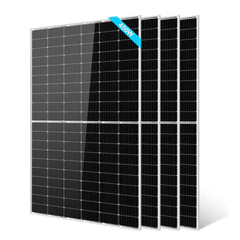
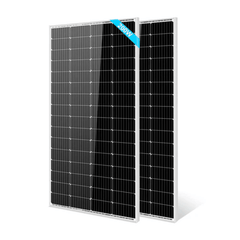
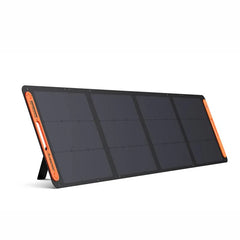
For the essentials, a solar generator runs the fridge, router and lights. For the whole house, PRIME or ELITE kits add battery storage. And if there’s no grid at all, CORE kits are built for places where a connection is impossible or impractical.
The Kit Finder will point you to the right tier.
The Bottom Line
Fixing the grid is slow, equipment-heavy work. Whatever the exact shortage number turns out to be, the direction’s clear: replacements take time, even with new factories on the way. A battery and panels at your place don’t wait on a purchase order.
Want to see what whole-home backup looks like for you? Get a free proposal.
Frequently Asked Questions
How long does it take to get a large power transformer?
PwC analysts put it at up to four years for the largest units, per a May 2026 report. A Wood Mackenzie survey from Q2 2025 found 128 weeks on average for large power transformers. Some suppliers say standard units arrive faster once designs are approved.
Is there a transformer shortage in the US?
Wood Mackenzie estimated a 30% shortfall for large power transformers and 10% for distribution transformers in 2025. Some industry voices dispute that it’s a true shortage, so it’s debated.
How much have transformer prices gone up?
About 80% over five years, per industry experts quoted by pv magazine. Wood Mackenzie has large power transformers up 77% since 2019.
Does the transformer shortage cause more blackouts?
There’s no direct evidence of that. The worry is slower recovery after major events that damage lots of equipment at once. Everyday outages are usually handled with spare units.
How can I prepare for a long outage?
Add backup that doesn’t depend on the grid: a solar generator for essentials, or a battery-based kit like PRIME for the whole home.
Data referenced from pv magazine USA / ESS News, POWER Magazine, Renewable Energy World, and T&D World.
This article is for informational purposes only. Industry estimates differ, and lead times change. Consult a qualified professional for advice specific to your property.


