




What is Grid Parity? Definition & Meaning
Grid parity refers to the point at which the cost of producing electricity from a renewable energy source, such as solar or wind, becomes equal to or less than the cost of purchasing power from the traditional electricity grid, often sourced from fossil fuels. Achieving grid parity is a significant milestone for renewable technologies, as it implies that these sources are not only environmentally advantageous but also financially competitive without the need for subsidies or incentives.
Several factors influence grid parity:
Declining Costs: As the technology and manufacturing processes for renewable energy systems, like solar modules or wind turbines, improve and scale up, their costs decrease. This trend has been especially evident in the solar industry over the past few decades.
Rising Fossil Fuel Prices: As the prices for coal, natural gas, and other fossil fuels fluctuate or trend upwards, the relative cost advantage of renewables can increase.
Incentives and Policy: While grid parity ideally denotes competitiveness without subsidies, government incentives, tax credits, and favorable policies can expedite the journey towards this milestone.
External Costs: Recognizing the environmental and health costs (often termed externalities) of fossil fuel consumption, such as air pollution and greenhouse gas emissions, can also influence the effective cost calculations and the perception of grid parity.
Achieving grid parity is often region-specific, as it depends on local electricity prices, availability of resources, infrastructure, and policies. However, as more regions reach this point, the adoption and integration of renewable energy sources into the mainstream power mix are further accelerated.
Usage:
"With solar power reaching grid parity in many parts of the world, homeowners and businesses are finding it financially prudent to invest in solar installations."
ShopSolar's View
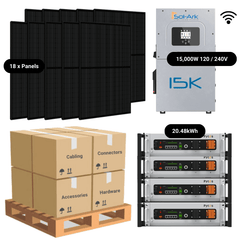
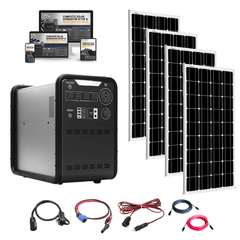
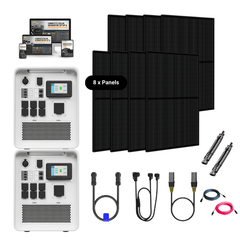
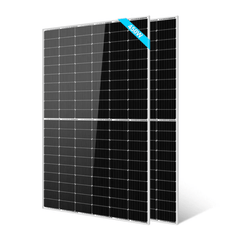
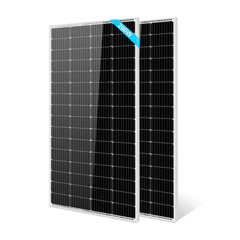
Depending on your goals and needs, we see a lot of customers who will find it cheaper to install a large standalone solar power system instead of paying the utility company to come install power lines and get them hooked up to the gird. This is usually more than on par with the grid since there's 25+ years of savings to be had.