

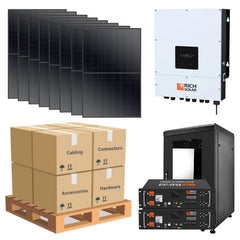
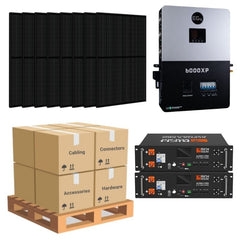
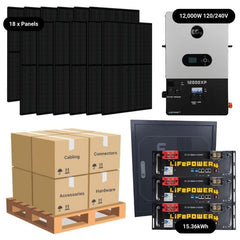
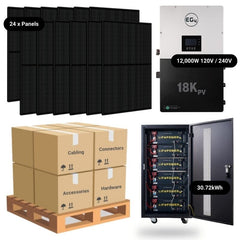
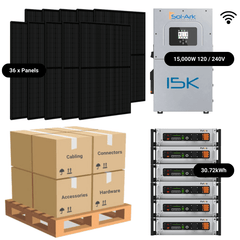
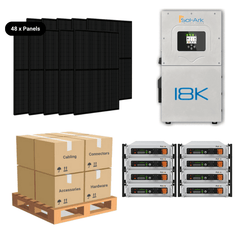
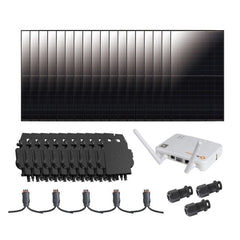
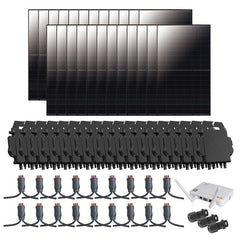
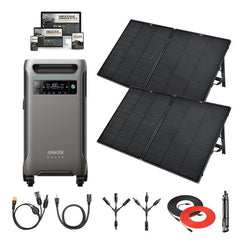
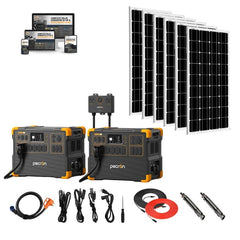
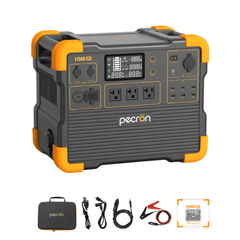
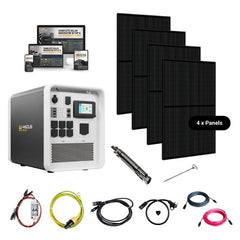

Solar Made Simple: The Bank Account Analogy

If you’re researching solar, you’ve probably noticed how quickly it can get complicated.
Battery banks, inverters, watt-hours, kilowatts... you might start thinking you need an engineering degree just to get started.
The good news? Solar is a lot simpler than most people think.
Here at Shop Solar we like to use the bank account analogy.
Let’s break it down step by step.
Your Solar Bank Account
Here’s how the analogy works:
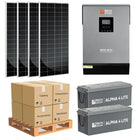
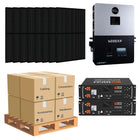
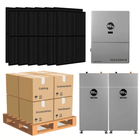
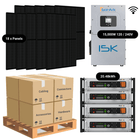
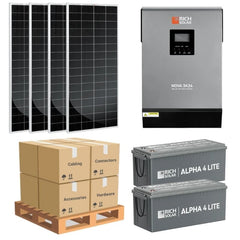
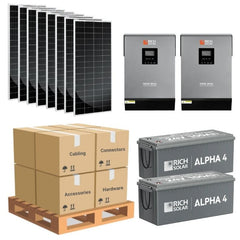
1. Your bank account = your battery bank.
This is where you store energy for later use.
2. Cash in the account = stored power.
The more cash you have, the more power is available.
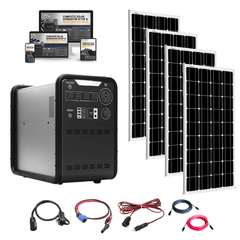
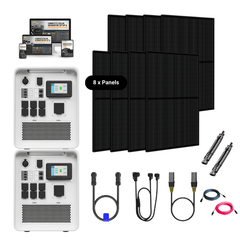
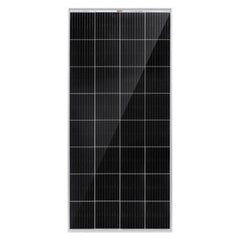
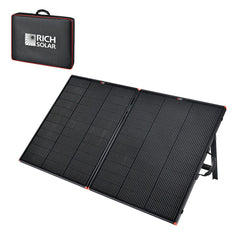
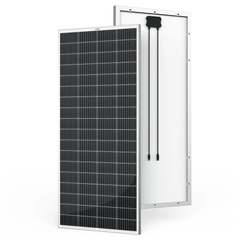
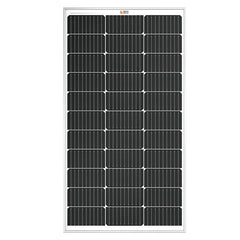
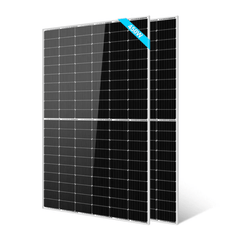
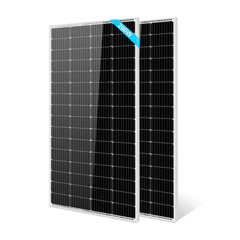
3. Direct deposits = your solar panels generating electricity.
New money (energy) is added to your account whenever the sun is shining.
4. Your debit card = your inverter.
It lets you “spend” energy to run your appliances.
Daytime: Making Deposits
When the sun is out, your solar panels are hard at work.
This is like getting direct deposits into your checking account all day long.
During daylight hours, you can run appliances and charge devices knowing you’re also replenishing your balance in real time.
Nighttime: Living Off Your Savings
As the sun goes down, those deposits stop.
From sunset until the next sunrise, you’re paying for everything strictly out of your stored savings.
If you use too much power overnight, and your battery bank (account) runs empty, you’ll have to wait for the sun to come up again to use more power.
Your Daily Spending Limit: The Inverter
Here’s an important detail many people miss:
Even if you have a huge balance in your account, your debit card has a daily spending limit.
Your inverter works the same way.
Example:
If your inverter is rated for 2,000 watts, that’s like having a $2,000 spending cap.
If you try to run multiple appliances that draw more than 2,000 watts at the same time, your inverter can’t keep up—no matter how much stored energy you have.
A Real-Life Example
Let’s say you have:
-
A 2,000-watt inverter (spending limit)
-
Plenty of battery storage (cash in your account)
You run a washing machine that draws 900 watts.
-
You now have 1,100 watts of inverter capacity left.
If you try to start up power tools that need 1,500 watts, your inverter won’t allow it (that would exceed your spending limit).
If you want to run big loads like a whole-house AC unit (maybe 3,500 watts), you’ll need a larger inverter.
Three Things to Get Right
When you plan your off-grid system, think of these three questions:
1. How much money goes into your account daily?
-
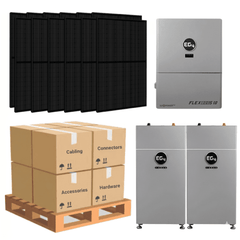
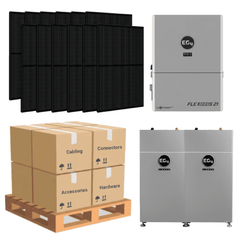
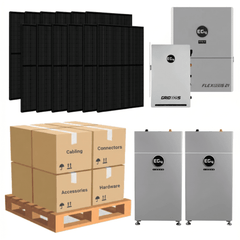
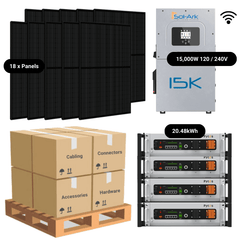
Bigger solar array = more direct deposits.
2. How much can your account hold?
-
Bigger battery bank = more stored cash.
3. How much can you spend at once?
-
Bigger inverter = higher spending limit.
Why This Analogy Matters
Once you start thinking about solar this way, the complexity fades.
• Solar panels = income.
• Batteries = savings.
• Inverter = spending cap.
That’s it. Keep your deposits high, your balance healthy, and your spending limit big enough for your needs—and you’ll have reliable off-grid power year-round.
Ready to Start Planning?
If you’d like help figuring out:
• How big your “solar income” should be
• How much storage you need in your “account”
• What inverter capacity fits your lifestyle
We’re here to help you make it simple.